

- Center on Health Equity & Access
- Clinical
- Health Care Cost
- Health Care Delivery
- Insurance
- Policy
- Technology
- Value-Based Care
FDA to Accept Deidentified Real-World Evidence for Select Medical Device Applications
Today, the FDA issued new guidance allowing de-identified real-world evidence in certain medical device applications, removing a barrier to using large data sources.
In new guidance announced today, the FDA said it will accept real-world evidence (RWE) for certain medical device submissions without requiring that identifiable individual patient data be included in marketing applications.1


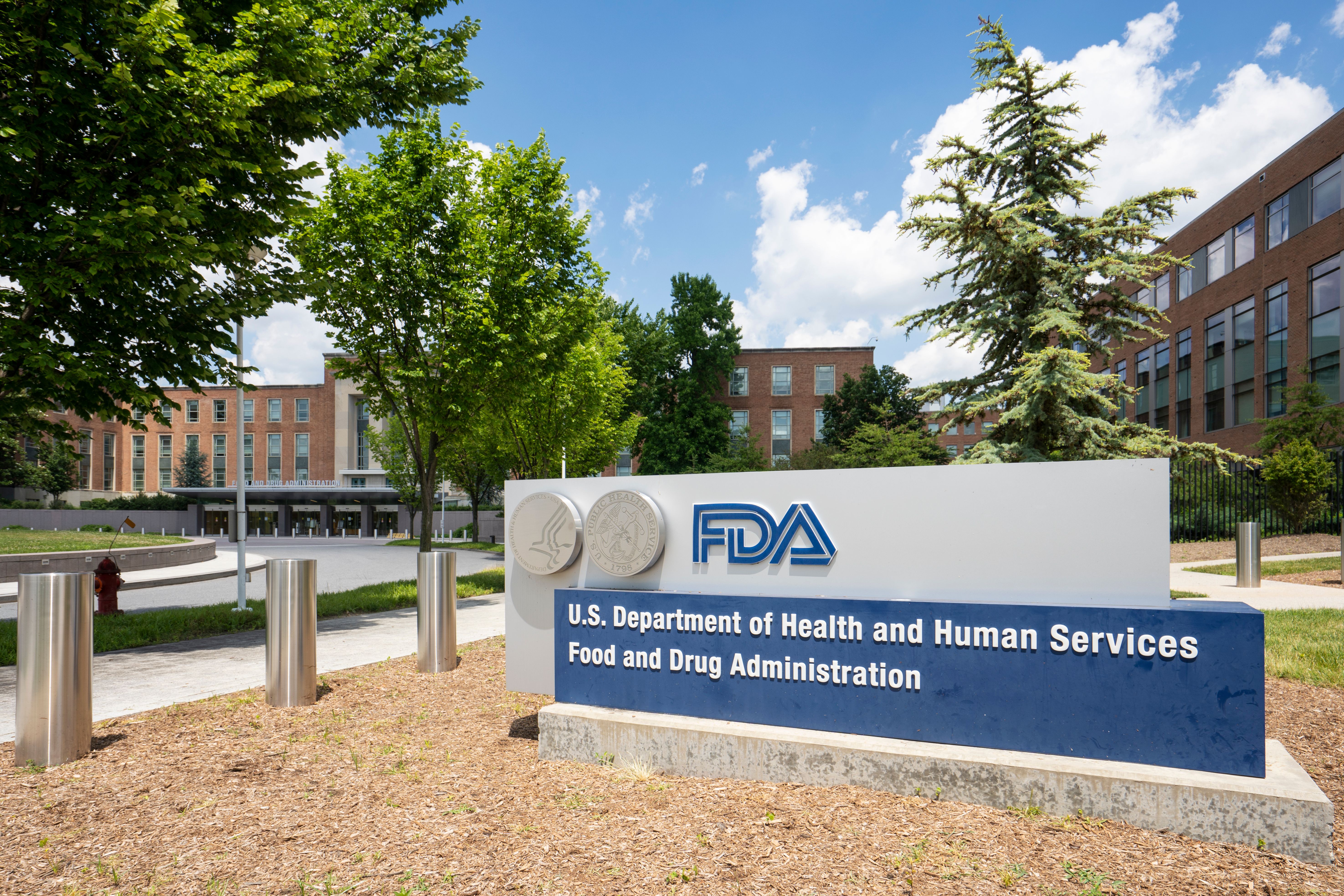
Today, the FDA issued new guidance allowing de-identified real-world evidence in certain medical device applications, removing a barrier to using large data sources. | Image Credit: Tada Images - stock.adobe.com
Previously, the FDA required that RWE submissions include private, confidential information at the individual patient level. This requirement made it impractical to use many large databases containing aggregate or de-identified data, making much of the available RWE ineligible for consideration in product applications.
As a result, only 35 drugs, biologics, or vaccines have incorporated RWE into their applications since 2016. By comparison, RWE has been more widely used in device approvals, with more than 250 premarket authorizations including RWE during the same period. Despite this broader use, the FDA noted that the rate of RWE-supported device authorizations has plateaued in recent years.
The FDA highlighted that this updated guidance reflects the long-standing position of sponsors and data scientists that meaningful insights can be derived from large data sources without access to identifiable patient-level information. With this new approach, FDA reviewers will evaluate the strength of submitted RWE on an application-by-application basis.
This change enables the use of large, de-identified databases containing millions of patient records, including national cancer registries, hospital system databases, insurance claims databases, and electronic health record networks.
One such resource is the National Cancer Institute's Surveillance, Epidemiology, and End Results (SEER) Program, which tracks patients diagnosed with cancer and collects follow-up information until death.2 According to the National Cancer Institute, SEER "provides information on cancer statistics in an effort to reduce the cancer burden among the US population."3 Resources such as SEER have expanded substantially over time, but they were limited in use under the FDA's previous policy.1
"We're removing unnecessary barriers that have prevented us from using powerful real-world evidence to get life-changing treatments to patients faster," FDA Commissioner Marty Makary, MD, MPH, said in a news release. "This common-sense reform will unlock access to vast databases like cancer and cystic fibrosis registries that contain critical insights about how treatments work in the real world."
Building on this change, the FDA also claimed it intends to consider updating its guidance for drugs and biologics.
References
- FDA eliminates major barrier to using real-world evidence in drug and device application reviews. News release. FDA. December 15, 2025. Accessed December 15, 2025. https://www.fda.gov/news-events/press-announcements/fda-eliminates-major-barrier-using-real-world-evidence-drug-and-device-application-reviews
- Surveillance, Epidemiology, and End Results Program (SEER). Healthy People 2030. Accessed December 15, 2025. https://odphp.health.gov/healthypeople/objectives-and-data/data-sources-and-methods/data-sources/surveillance-epidemiology-and-end-results-program-seer
- Surveillance, Epidemiology, and End Results Program. National Cancer Institute. Accessed December 15, 2025. https://seer.cancer.gov/


