

- Center on Health Equity & Access
- Clinical
- Health Care Cost
- Health Care Delivery
- Insurance
- Policy
- Technology
- Value-Based Care
Poland Launches Nationwide Liquid Biopsy Program for Pediatric STS Care
Poland’s LiBRha project will expand liquid biopsy and molecular testing nationwide to improve diagnosis, monitoring, and outcomes for children with soft tissue sarcoma.
The largest research project in Poland announced, on Thursday, an 8-year project aimed at introducing nationwide access to advanced testing for pediatric patients with soft tissue sarcoma (STS).1
Project LiBRha (Liquid Biopsy and Comprehensive Molecular Testing of Pediatric Soft Tissue Sarcoma in Poland to Improve Diagnosis, Risk Stratification, and Outcome) is led by the Medical University of Wroclaw, which will serve as the clinical leader of the project by coordinating research activities, collecting clinical data, and analyzing outcomes. The project will address unmet needs in pediatric soft tissue sarcoma by “systemically reorganizing the diagnosis and monitoring of STS in children,” according to a recent press release published in Science in Poland.


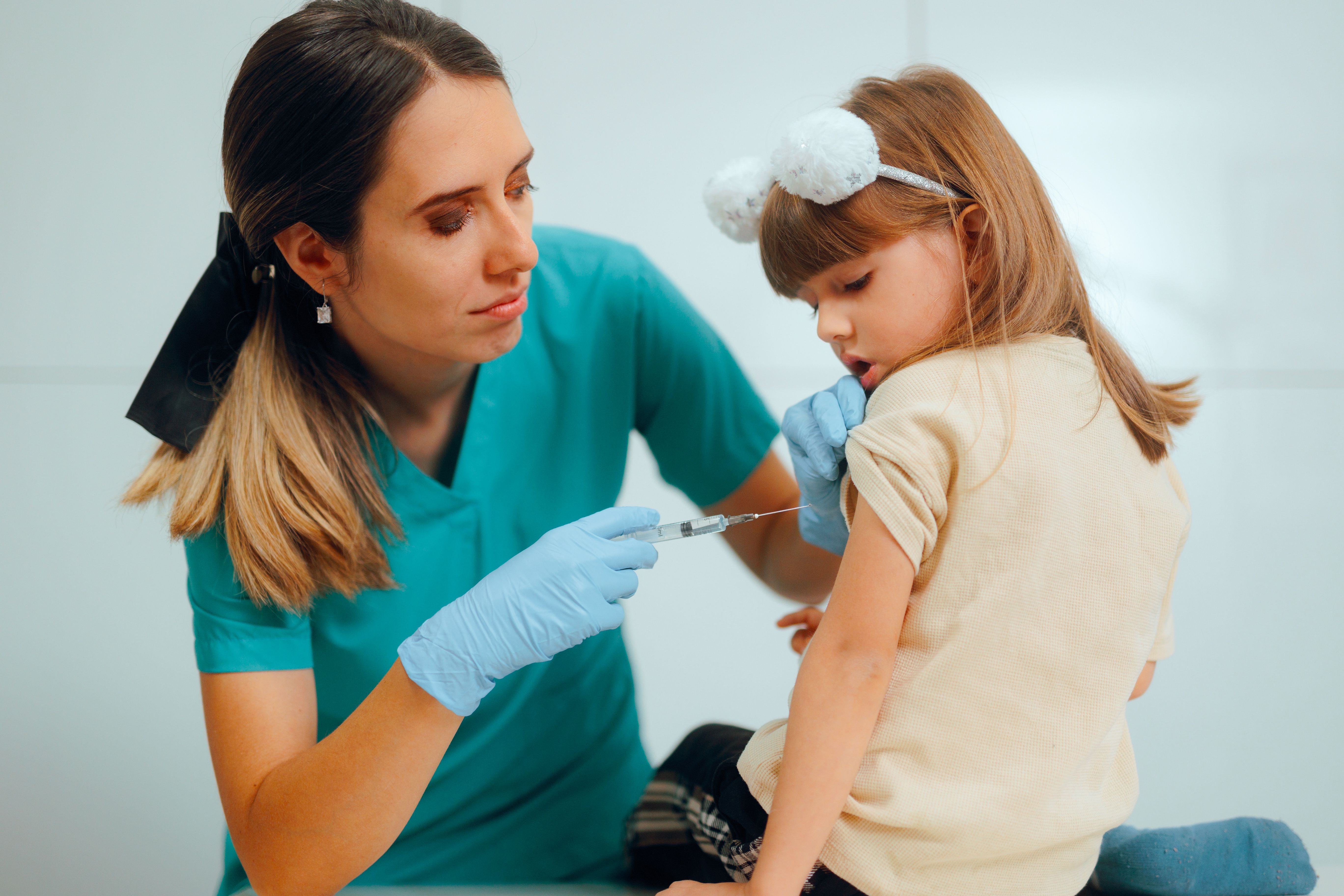
Poland’s new LiBRha initiative will integrate liquid biopsy and advanced molecular profiling into routine care for pediatric soft tissue sarcoma nationwide. | Image credit: @nicoletaionescu_AdobeStock.jpeg
“Soft tissue sarcomas are rare and require extensive diagnostic experience and close cooperation between teams. This project is intended to create such conditions at the system level,” Professor Bernarda Kazanowska, head of the project and a specialist from the Department and Clinic of Bone Marrow Transplantation, Pediatric Oncology, and Hematology at the Medical University of Wroclaw, said in the press release.
STS accounts for nearly 7% of all childhood cancers and can be categorized into 2 subtypes of the disease: rhabdomyosarcoma (RMS) and nonrhabdomyosarcoma STS (NRSTS).2 RMS is the most common pediatric SMS, and recent studies assessing RMS of the chest wall—a rare occurrence—have relied on standard imaging, diagnostic tests, and histological confirmations.3
“This is not enough if we want to really precisely assess the response to treatment and the risk of recurrence and reduce the toxicity of therapy in a specific child,” Kazanowska said.1
The project team involves 18 pediatric oncology and hematology centers across the country. The multicenter study will introduce comprehensive molecular profiling into the standard practice of care. This includes whole genome and exome sequencing, transcriptome analysis, and DNA methylation studies. Researchers said that using these tools in routine clinical practice will enhance precision diagnoses and identification of prognostic and predictive markers and refine risk stratifications that exceed traditional low-, intermediate-, and high-risk categories.
“We want access to full molecular diagnostics and liquid biopsy not to concern individual centers, but to be an element of everyday clinical practice throughout the country,” Kazanowska said.
The pillar innovation of the LiBRha project is the nationwide implementation of liquid biopsy for pediatric patients with RMS. This option is minimally invasive and more practical for monitoring treatment responses over time when compared with incisional biopsies. Incisional or image-guided core-needle biopsies are preferred for initial diagnosis, according to consensus guidelines for treating RMS of the chest wall.3
Project LiBRha will bring together the Medical University of Wroclaw as the clinical lead in partnership with 2 other entities: the Medical University of Lodz and the Rescue Children with Cancer Foundation.1 The Medical University of Lodz serves as the central reference center for pathology and molecular diagnostics. All biological material from every participating center will be analyzed at the university. This move aims to ensure consistency in diagnosis and treatment decisions across the project.
The Rescue Children with Cancer Foundation will develop a nationwide data management system and coordinate a network of data administrators to oversee the quality, completeness, and security of medical data.
“Rare childhood cancers require an extremely thoughtful approach,” Kazanowska said. “We cannot afford to make random decisions, because the margin of error is very narrow. LiBRha is expected to provide us with tools thanks to which each therapeutic decision will be as biologically and clinically justified as possible.”
References
1. Polish protect to transform diagnosis of childhood soft tissue sarcomas. Science in Poland. January 14, 2026. Accessed January 15, 2026. https://scienceinpoland.pl/en/news/news%2C111080%2Cpolish-protect-transform-diagnosis-childhood-soft-tissue-sarcomas.html
2. Soft tissue sarcoma in children and teens. St. Jude Together. Accessed January 15, 2026. https://together.stjude.org/en-us/conditions/cancers/soft-tissue-sarcomas.html
3. Kaltwasser J. Consensus document outlines optimal pediatric chest wall rhabdomyosarcoma care. AJMC®. November 13, 2025. Accessed January 15, 2026. https://www.ajmc.com/view/consensus-document-outlines-optimal-pediatric-chest-wall-rhabdomyosarcoma-care


