

- Center on Health Equity & Access
- Clinical
- Health Care Cost
- Health Care Delivery
- Insurance
- Policy
- Technology
- Value-Based Care
Anti-Inflammatory, Antioxidant-Rich Diets May Lower Skin Cancer Risk, Slow Biological Aging
Patients with proinflammatory, pro-oxidative diets may face accelerated biological aging and increased skin cancer risk.
Eating more anti-inflammatory and antioxidant-rich foods may slow biological aging and help reduce the risk of skin cancer, according to a study published in Cancers.1


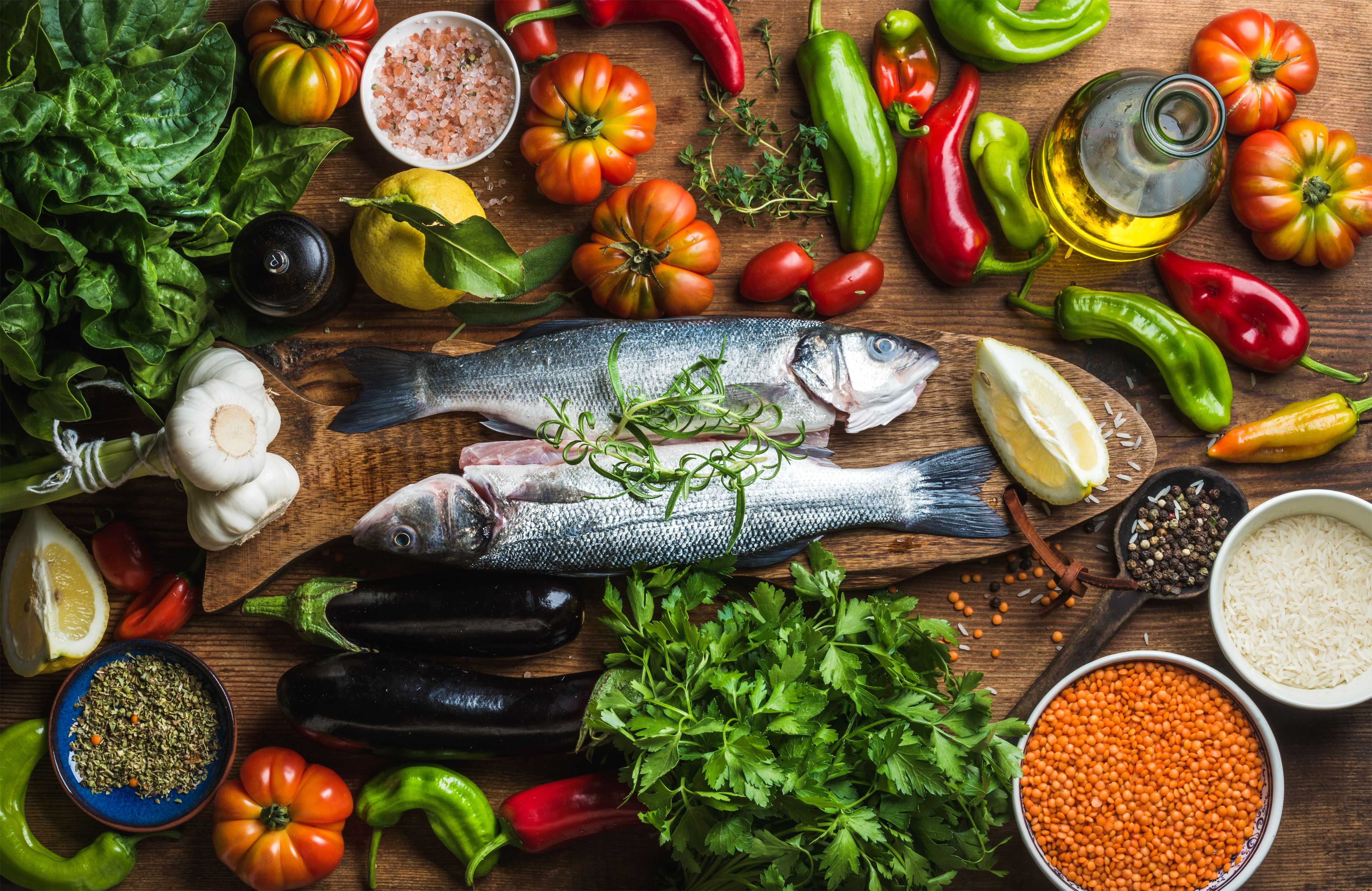
Patients with proinflammatory, pro-oxidative diets may face accelerated biological aging and increased skin cancer risk. | Image credit: sonyakamoz - stock.adobe.com
Assessing the Role of Diet and Biological Aging in Skin Cancer Development
The researchers explained that chronically elevated levels of inflammation and oxidative stress have been linked to risk factors for various diseases, as well as accelerated biological aging. Over time, these factors may disrupt cellular homeostasis, contribute to cumulative organ impairment, and promote progressive tissue deterioration, all of which facilitate accelerated aging.2
Prior research has also shown that dietary patterns play a key role in regulating inflammation and maintaining oxidative stress homeostasis.3 Based on this evidence, the researchers hypothesized that diet may influence skin cancer development.1 Specifically, they suggested that proinflammatory and pro-oxidative diets may contribute to the association between accelerated biological aging and increased skin cancer risk.
However, this relationship remains poorly understood. To address this knowledge gap, the researchers conducted a study examining the mediating role of biological aging in the association between diet and skin cancer risk using data from 16,682 eligible National Health and Nutrition Examination Survey participants collected between 2005 and 2018.
Participants’ diets were assessed using 2 dietary assessment tools: the Dietary Inflammatory Index (DII) and the Dietary Oxidative Balance Index (DOBS). Higher DII scores indicate greater inflammatory potential, with individuals in the highest tertile categorized as following an inflammation-promoting diet. Similarly, higher DOBS values reflect greater oxidation-reducing potential, with participants in the highest tertile classified as following an antioxidant-rich dietary pattern.
Using both scores, the researchers classified participants into 3 dietary groups. Those in the third DII tertile and first DOBS tertile were categorized as following an inflammation- and oxidation-promoting diet. Meanwhile, participants in the first DII tertile and the third DOBS tertile were classified as following an inflammation- and oxidation-reducing diet. The remaining participants, however, comprised an intermediate group.
Biological aging was assessed using PhenoAge, a measure mechanistically aligned with both dietary assessment tools, as it integrates clinical biomarkers reflecting systemic inflammation and metabolic dysregulation. After adjusting for covariates and survey year, the researchers applied logistic regression models to estimate ORs for the associations among DII, DOBS, PhenoAge, and skin cancer risk.
Proinflammatory, Pro-Oxidative Diets Linked to Higher Skin Cancer Risk
Of the 16,628 participants included in the analysis, 474 self-reported a history of skin cancer. Participants with skin cancer had a weighted mean (SD) age of 68.86 (12.22) years, and 41.8% were female. They also had a higher prevalence of diabetes, hypertension, and cardiovascular disease (P < .001).
The researchers classified 4296 participants as having a proinflammatory and pro-oxidative diet. Individuals in this group were more likely to be female and non-Hispanic Black, with lower total energy intake and a higher body mass index. They were also more likely to have hypertension, diabetes, and drink alcohol (P < .001). In contrast, 4263 participants were classified as having an anti-inflammatory and antioxidant-rich diet, whereas the remaining 8069 were placed in the intermediate group and described as having a composite diet.
PhenoAge was significantly associated with increased skin cancer risk (OR, 1.074; 95% CI, 1.063-1.085; P < .001), indicating a higher risk among participants with greater biological ages. In addition, both DII (OR, 1.28; 95% CI, 1.20-1.36) and DOBS (OR, 0.95; 95% CI, 0.94-0.96) were significantly associated with biological age advancement (P < .001).
After adjusting for all covariates, adherence to a proinflammatory and pro-oxidation diet was associated with a significantly higher skin cancer risk compared with adherence to an anti-inflammatory and antioxidant-rich diet (OR, 2.19; 95% CI, 1.29-3.72; P = .0004). The researchers noted that PhenoAge partially mediated this relationship, accounting for 28.06% of the association between DII/DOBS and skin cancer risk (P < .05).
Charting Future Studies on Diet’s Role in Skin Cancer Risk
The researchers acknowledged several limitations, including the observational, cross-sectional nature of the data set, meaning the findings should be interpreted as hypothesis-generating rather than causal. Also, dietary intake was assessed using two 24-hour dietary recalls, which may not accurately reflect long-term patterns and could have resulted in misclassification.
Despite these limitations, the researchers expressed confidence in their findings and used them to prioritize future research areas.
“These results provide a foundation for developing hypotheses regarding specific characteristics and underlying mechanisms by which diet influences skin cancer, to be explored in future research,” the authors concluded. “Given that skin cancer can significantly impair both physical and psychological well-being, future research should prioritize strategies to systematically assess and address the multifactorial impacts, including the role of diet and biological aging.”
References
- Hui S, Hou Z, Li D. Association between dietary inflammatory and oxidative balance scores and skin cancer risk: the mediating role of accelerated phenotypic aging. Cancers (Basel). 2025;18(1):111. doi:10.3390/cancers18010111
- Liu J, Qi X, Wang X, et al. Evolving patterns of nutritional deficiencies burden in low- and middle-income countries: findings from the 2019 global burden of disease study. Nutrients. 2022;14(5):931. doi:10.3390/nu14050931
- Grivennikov SI, Greten FR, Karin M. Immunity, inflammation, and cancer. Cell. 2010;140(6):883-899. doi:10.1016/j.cell.2010.01.025


