

- Center on Health Equity & Access
- Clinical
- Health Care Cost
- Health Care Delivery
- Insurance
- Policy
- Technology
- Value-Based Care
USDA and HHS Update Dietary Guidelines to Encourage Real Food, Less Sugar
Dietary guidelines recommend more whole foods and protein while reducing added sugar and highly processed foods for healthier eating.
The USDA and HHS have released the 2025–2030 Dietary Guidelines for Americans, urging people to focus on whole, nutrient-rich foods while cutting back on added sugars and highly processed items.1 These updated recommendations aim to make healthier eating simpler and more achievable for families, schools, and communities, reflecting a shift toward real food that can improve overall health nationwide.


“Consumption of nutrient-dense foods and beverages is critical to meeting nutrient needs essential for health throughout the lifespan, from growth and development during pregnancy and childhood through healthy aging during adulthood,” the guidelines stated. “Few US individuals, however, consume a dietary pattern that aligns with Dietary Guidelines recommendations, regardless of age, race, ethnicity, or sociodemographic group examined. Therefore, nearly all US individuals can benefit from shifting to healthier dietary patterns.”
The dietary guidelines, updated every 5 years as required by law, serve as a blueprint for healthy eating, yet research shows that most Americans—more than half of whom have a diet-related chronic disease—fall short of following them.2 At just 10 pages, the new document reflects a push for simplicity and will significantly influence the National School Lunch Program, which feeds nearly 30 million children daily, though translating the guidelines into actionable school meal standards is a multiyear process expected to be completed by 2027.
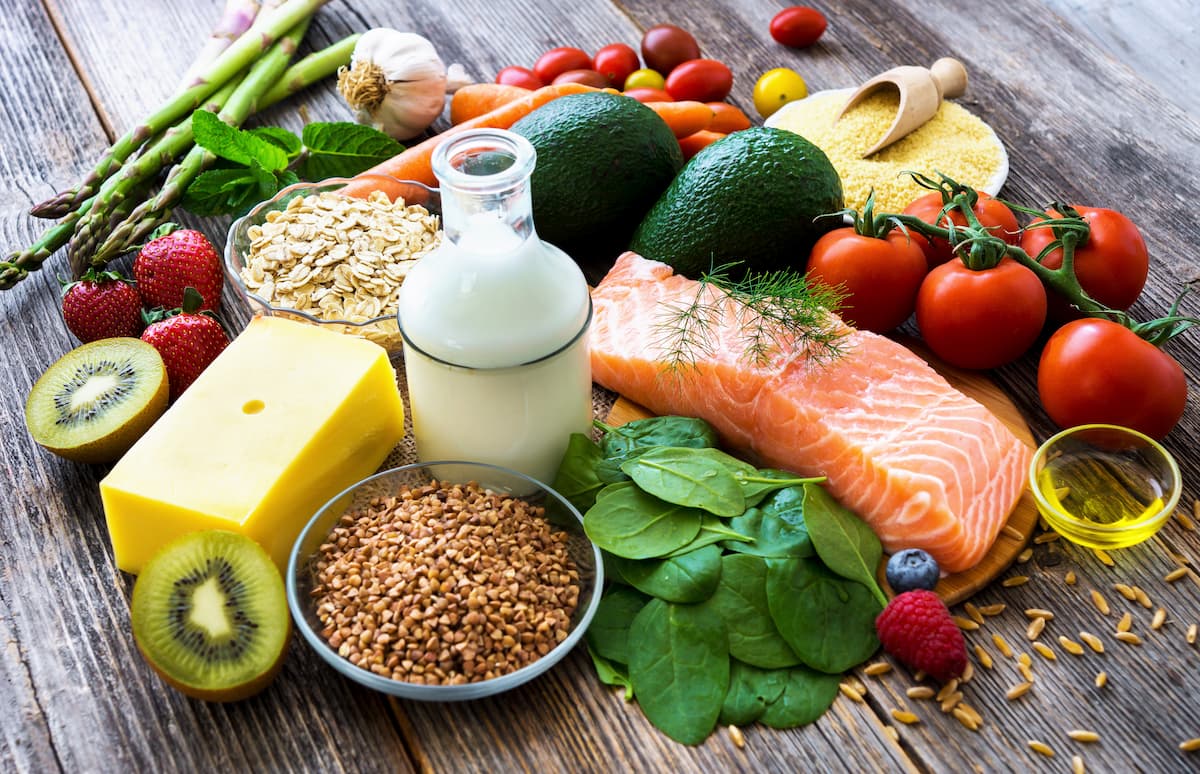
The nutrition panel concluded that a healthy diet for people aged 2 years and older emphasizes vegetables, fruits, legumes, nuts, whole grains, fish, and vegetable oils rich in unsaturated fats. It limits red and processed meats, sugar-sweetened foods and beverages, refined grains, and saturated fats. The diet may also include fat-free or low-fat dairy, lower-sodium options, and a variety of plant-based foods.
The new dietary guidelines stop short of making specific recommendations on ultra-processed foods or alcohol, reflecting ongoing uncertainty in the evidence. Although numerous studies have linked ultra-processed foods to poor health outcomes, the 20-member panel of nutrition experts concluded that limitations in study quality and difficulty isolating the effects of processing itself prevented firm guidance. Experts noted that not all highly processed foods are harmful, emphasizing that highly processed carbohydrates are more strongly linked to negative health effects than processed proteins or fats.
On alcohol, the guidelines move away from previous numeric limits, instead advising Americans to consume less alcohol for better health, while clearly recommending avoidance during pregnancy, recovery from alcohol use disorder, or when intake cannot be controlled. Federal agencies are continuing work to define ultra-processed foods, and upcoming scientific reports on alcohol consumption are expected to inform future updates.
“The results demonstrated that many diverse culturally responsive dietary interventions have been conducted in the United States and Canada to improve diet and energy intake as well as various health outcomes such as growth, body composition, risk of obesity, and risk of cardiovascular disease and type 2 diabetes,” the guidelines stated.1 “The findings may provide insights on the importance of allowing for flexibilities around the Healthy US-Style Dietary Pattern to be more culturally responsive, and could also serve as a springboard for future, more targeted systematic reviews that assess the effectiveness of the interventions on outcomes of interest.”
Overall, the 2025–2030 Dietary Guidelines for Americans offer a framework for healthier eating, with the potential to guide public health policy, inform federal nutrition programs, and support families in making sustainable dietary changes that promote lifelong health.
References
1. Scientific Report of the 2025 Dietary Guidelines Advisory Committee. USDA. January 6, 2025. Accessed January 7, 2026. https://www.dietaryguidelines.gov/2025-advisory-committee-report
2. Aleccia J. New dietary guidelines urge Americans to avoid processed foods and added sugar. Associated Press. January 7, 2026. Accessed January 7, 2026. https://apnews.com/article/dietary-guidelines-health-agriculture-federal-nutrition-2d8fa56be3c5900fc45116af7c69d786


