

- Center on Health Equity & Access
- Clinical
- Health Care Cost
- Health Care Delivery
- Insurance
- Policy
- Technology
- Value-Based Care
Top 5 Most-Read NHL Content of 2025

Advancements in 2025 in non-Hodgkin lymphoma treatments focused on bringing CAR T-cell therapy and bispecific antibodies into the community setting.
As efforts increase to boost access to chimeric antigen receptor (CAR) T-cell therapy and bispecific antibodies, this year’s content on non-Hodgkin lymphoma (NHL) drew readers interested in managing adverse effects and bringing treatments to outpatient settings.
Here are the top 5 articles and videos on NHL for 2025:
5. Real-World Data Show Most CRS, ICANS Cases Happen Within 15 Days of Liso-Cel Infusion
Watching for cytokine release syndrome (CRS) and immune effector cell–mediated neurotoxicity syndrome (ICANS) is a top concern when patients receive an infusion of lisocabtagene maraleucel (liso-cel; Breyanzi; Bristol Myers Squibb). Thus, clinicians and regulators alike were interested in data published in Transplantation and Cellular Therapy that found in real-world usage, 97% of cases of CRS or ICANS occurred within 15 days of infusion.
4. Banner Year for Bispecifics as Therapies Advance Into the Community Setting


Michael Byrne, DO | Image: Tennessee Oncology

This article from the February issue of Evidence-Based Oncology™ (EBO) reviewed the priority and steps needed to bring bispecific antibody therapies into the outpatient setting, putting treatments closer to where patients live. As 2025 unfolded, these efforts would gain traction as evidence emerged that signaled the eventual use of bispecifics in second- or even first-line care. “The democratization of bispecifics and cellular therapies is essential to allowing all these patients to access the most cutting-edge therapies,” said Michael Byrne, DO, a hematologist/oncologist at Tennessee Oncology.
3. Fixed-Duration SC Mosunetuzumab Shows 83% PFS at 1 Year in Untreated HTB Follicular Lymphoma


Ian W. Flinn, MD, PhD | Image: OneOncology
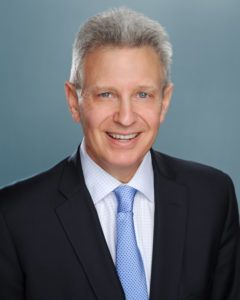
Coverage of the presentation of phase 2 data from the MorningSun trial (NCT05207670) at the American Society of Clinical Oncology 2025 annual meeting reflected several trends in 2025: increased use of subcutaneous therapies in oncology, and the rising popularity of fixed-duration regimens. Ian W. Flinn, MD, PhD, who is the chief scientific officer for Tennessee Oncology and OneOncology, presented interim results on patients with previously untreated high-tumor burden (HTB) follicular lymphoma (FL), who had promising results following treatment with this formulation of subcutaneous mosunetuzumab.
2. How In Vivo CAR T-Cell Therapies Could Rewrite the Cancer Care Playbook
Our contributor Ryan Flinn proved prescient with his August review in EBO of the highly competitive market to develop a new type of therapy, in which the cancer-fighting treatment is created within the body. Flinn reviews both the science and the deal-making that unfolded throughout 2025 as small biotechs found partners for this billion-dollar race. The high-water mark came December 9 with Kelonia Therapeutics’ big splash at the late-breaking session of the American Society of Hematology, as Phoebe Joy Ho, MBBS, DPhil, professor at the University of Sydney, presented data for 4 patients who remain in measurable residual disease–negative status for at least 1 month.
1. Expanding Resources, Clinical Knowledge to Enhance AYA NHL Care: Andrew Evens, DO


Andrew Evens, DO, MBA, MSc | Image: Rutgers CINJ

In May, The American Journal of Managed Care® (AJMC®) published an interview with Andrew Evens, DO, MBA, MSc, of the Rutgers Cancer Institute and Jack & Sheryl Morris Cancer Center, to spread awareness about the challenges adolescent and young adult (AYA) patients face following diagnosis with forms of Hodgkin and non-Hodgkin lymphoma. Evens highlighted the value of expanding clinical knowledge of lymphoma biology and addressed care gaps in NHL that affect AYA populations.


Frameworks for Advancing Health Equity: Pharmacy Support for Non-Hodgkin Lymphoma
December 19th 2024Rachael Drake, pharmacy technician coordinator, University of Kansas Health System, explains how her team collaborates with insurance companies and providers to support treatment access for patients with non-Hodgkin lymphoma.
Listen


Fixed-Duration Epcoritamab Shows Strong Responses in Older, Chemo-Ineligible Patients With LBCL
December 27th 2025In the EPCORE DLBCL-3 study, fixed-duration epcoritamab monotherapy delivered deep, durable responses with manageable toxicity in older, chemotherapy-ineligible patients with LBCL.
Read More


