

- Center on Health Equity & Access
- Clinical
- Health Care Cost
- Health Care Delivery
- Insurance
- Policy
- Technology
- Value-Based Care
Exploring Identity, Appearance Experiences Among Patients With Alopecia
Alopecia profoundly disrupts identity, emotional wellbeing, and social life, with many people struggling due to stigma, concealment pressures, and unmet psychological support needs.
New study findings are highlighting alopecia as a condition that reshapes identity, social relationships, and emotional wellbeing, leading researchers to argue for personalized, non-pharmacological interventions that address both individual and social dimensions of appearance-related distress.1
The review synthesized data from 22 qualitative studies representing experiences of nearly 1,000 people across the globe with alopecia, including adolescents, adults, and parents of affected children. The analysis, published in British Journal of Health Psychology, revealed 5 overarching themes, offering a nuanced picture of the challenges and coping processes associated with the condition.
Notably, the review identified substantial unmet needs within the healthcare system. Across studies, patients reported dissatisfaction with medical consultations that focused narrowly on treatment while minimizing emotional impact.


Patients spoke of navigating unwritten social rules around who could know about their hair loss and when concealment was expected. | Image credit: Creative Cat Studio - stock.adobe.com
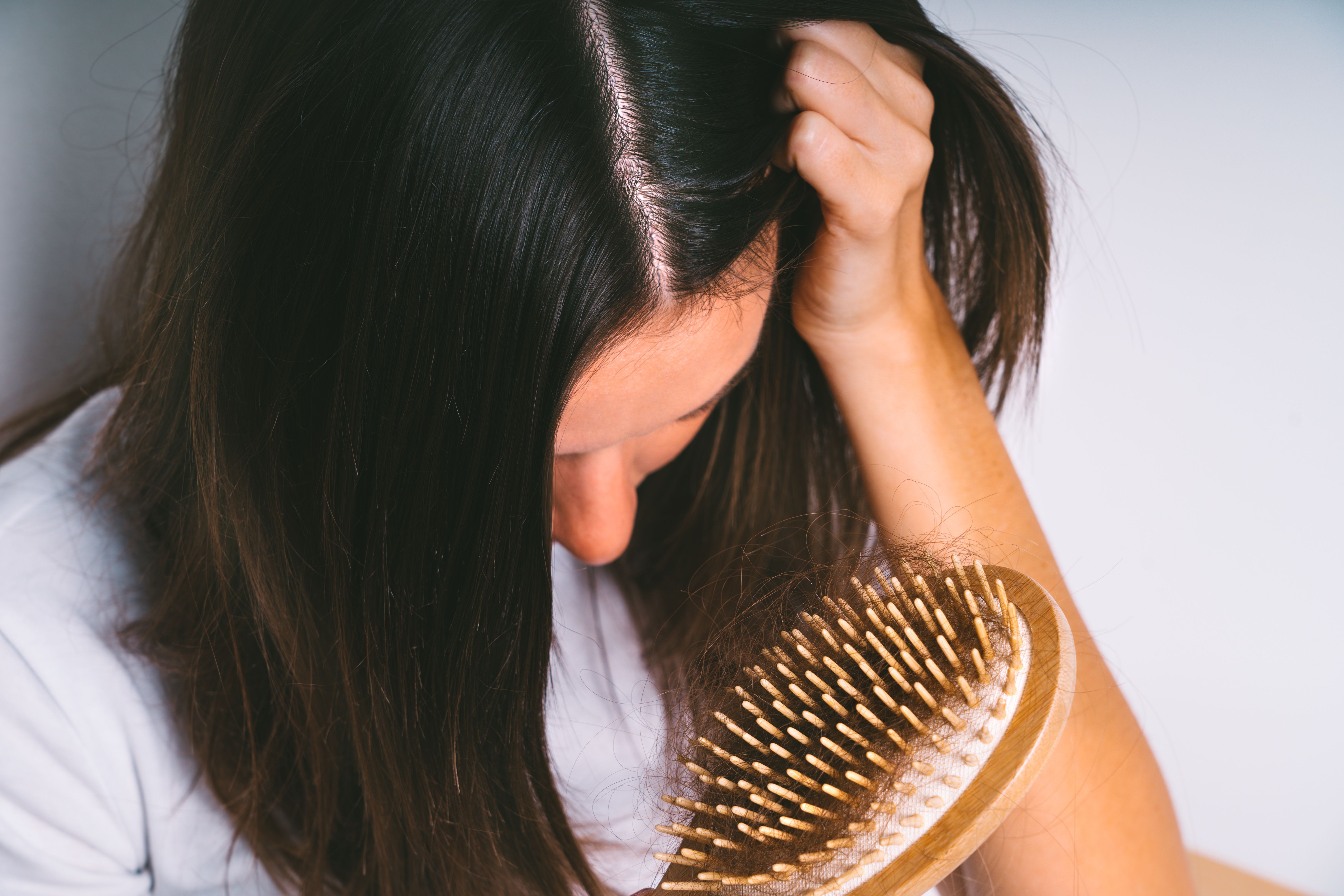
“Participants frequently reported negative experiences within health care, citing unmet needs and having feelings unidentified or even invalidated. Clinicians may minimize the impact and overestimate the quality of life of people with alopecia, which can be invalidating and prevent access to appropriate support,” wrote the researchers.
A lack of access to psychological support and limited awareness of alopecia among health professionals were noted. Given the absence of consistently effective long-term treatments, and with approximately one-third of patients experiencing signs and symptoms of depression or anxiety,2 the findings underscore the importance of psychosocial care alongside medical management.
From an emotional standpoint, a disrupted sense of identity was one of the most consistent experiences noted by patients. Across studies, hair was described as central to self-image, femininity, masculinity, youth, and attractiveness. Its loss often triggered feelings of grief, shame, and a fractured sense of self. Many participants likened hair loss to losing a part of their identity rather than a purely cosmetic change.
The review also highlighted a nonlinear journey toward acceptance. Initial emotional responses commonly included shock, anger, fear, and self-blame, particularly given the unpredictable course of alopecia. While some patients described gradually reaching acceptance and even personal growth, others experienced ongoing distress. Acceptance was not portrayed as a fixed endpoint but rather as a fluctuating process influenced by time, social feedback, and changes in hair loss. Coping strategies varied widely, ranging from active approaches like seeking social support or treatment to avoidance, distraction, humor, or faith-based coping.
Social interactions played a notable role in shaping adjustment. Support from family, friends, and peers often facilitated confidence and re-engagement with social life, while negative reactions, including staring, intrusive questions, or misidentification as having cancer, reinforced feelings of stigma. Support groups, particularly online communities, were frequently described as valuable spaces for shared understanding, though not all individuals found them helpful. A lack of public awareness about alopecia consistently emerged as a barrier to social acceptance and understanding.
Another prominent theme was the complexity of concealing hair loss. Many participants described concealment as an essential coping tool that enabled social participation and protected self-esteem. However, concealment also brought emotional and practical challenges, including discomfort, cost, and a sense of inauthenticity. Patients spoke of navigating unwritten social rules around who could know about their hair loss and when concealment was expected.
References
1. Hurrell Z, Vasiliou VS, Sirois FM, Thompson AR. A systematic review and meta-synthesis of qualitative studies of alopecia: managing identify and appearance changes. Br J Health Psychol. Published online January 19, 2026. doi:10.1111/bjhp.70048
2. Lauron S, Plasse C, Vaysset M, et al. Prevalence and odds of depressive and anxiety disorders and symptoms in children and adults with alopecia areata: a systematic review and meta-analysis. JAMA Dermatol. 2023;159(3):281-288. doi:10.1001/jamadermatol.2022.6085


