

- Center on Health Equity & Access
- Clinical
- Health Care Cost
- Health Care Delivery
- Insurance
- Policy
- Technology
- Value-Based Care
Top 5 Most-Read PHEO Articles of 2025
Readers of PHEO this year found value in research, conference coverage, and insights that touched on health outcomes and care quality.
In 2025, readers of Population Health, Equity, and Outcomes, a quarterly journal published as a special issue of The American Journal of Managed Care®, were drawn toward research and commentary connecting payment models, social drivers, and health system strategy to measurable patient and population outcomes. Below are the 5 most-read pieces from that issue, with takeaways on their findings and why each mattered for clinicians, health system leaders, and payers.


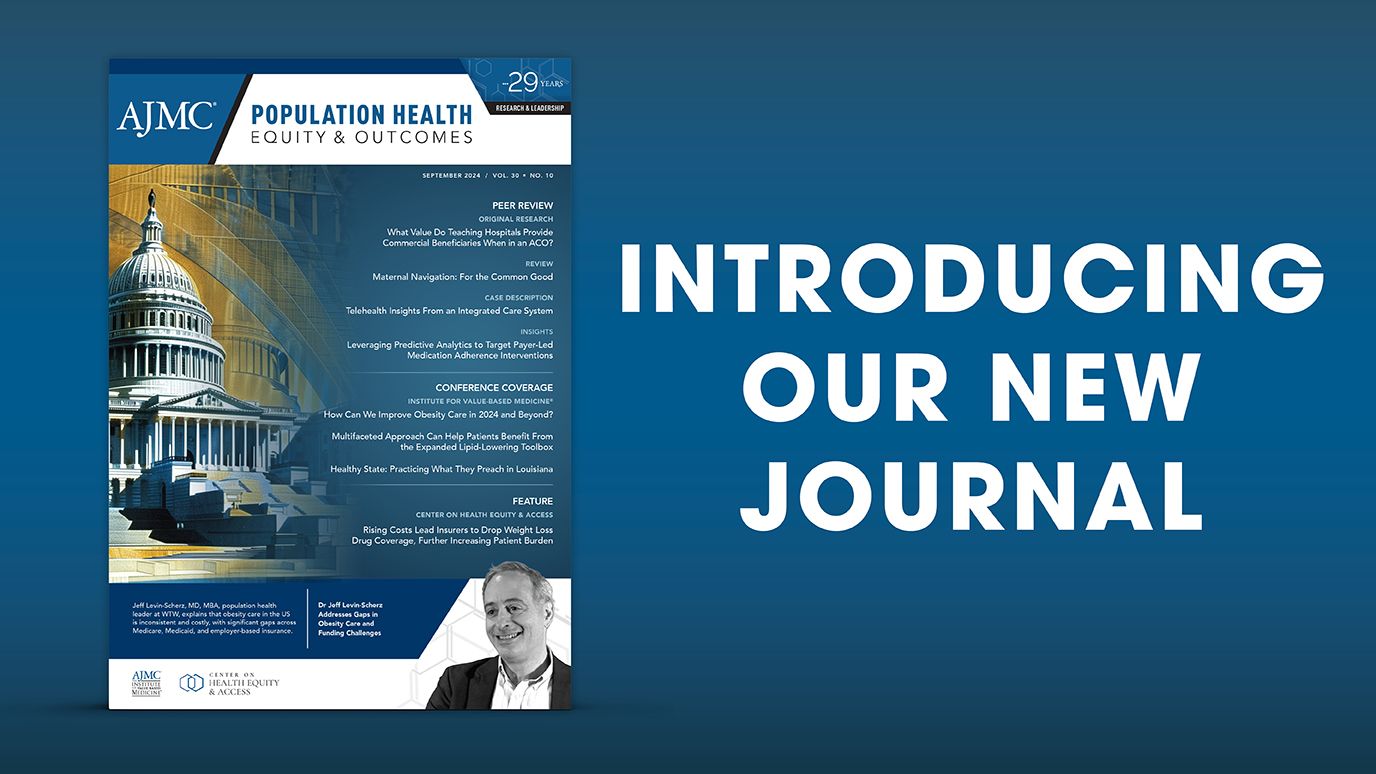
PHEO started publishing as a special issue of AJMC in September 2024. | Image Credit: © AJMC
5. Outcomes for Hospitals Participating in More- and Less-Mature ACOs
This quasi-experimental evaluation examined hospitals before and after joining CMS accountable care organizations (ACOs) and compared results with matched nonparticipating hospitals. The study found that greater ACO maturity was associated with improvements in select patient safety measures (eg, reductions in accidental punctures and lacerations) and that early gaps in outcomes (observed for hospitals with low maturity scores) narrowed as maturity increased. The authors conclude that ACO participation—particularly as organizations gain experience and additional risk-bearing contracts—may produce measurable hospital-level quality and safety gains, while noting the limits of using early data with a short follow-up duration.
4. Health Impacts of Health System Implementation of a Food-as-Medicine Strategy
This case study evaluates a health system’s food-as-medicine program and reports measurable improvements in nutrition-related outcomes for participants, such as reductions in food insecurity and improvements in some intermediate clinical measures. The authors detail program components (screening, medically tailored food or produce prescriptions, and care team integration) and emphasize the importance of sustained funding and cross-sector partnerships for scaling impact. The work underscores food-as-medicine as a viable population health strategy when implemented with clinical integration and attention to equitable reach.
3. Value-Based Care Is Key to Bringing Cardiology Breakthroughs to Those Who Will Benefit Most
This coverage of an Institute for Value-Based Medicine® event recaps speaker insights linking value-based payment models to improved diffusion of high-impact cardiac interventions among underserved populations. The panelists described how aligning incentives—through accountable care arrangements, bundled payments, or outcomes-based contracting—can help health systems invest in the workforce, care coordination, and outreach needed to ensure evidence-based cardiology advances reach patients who would benefit most, especially in communities with historic access gaps. The piece provides examples of policy and operational levers for payers and systems to close cardiology inequities.
2. Potential Health Literacy Resources for Health Plans: A Narrative Review
This review maps the tools and approaches that health plans could adopt to improve members’ health literacy. From plain-language materials and multilingual resources to digital teach-back and culturally tailored education, the authors synthesize evidence showing that plan-driven literacy interventions can reduce avoidable utilization, improve medication adherence, and support healthier decision-making. The review highlights implementation barriers (eg, technology access, workforce capacity) and suggests concrete steps that payers can take to integrate literacy supports into benefit design and member outreach.
1. Overdiagnosis of Adult ADHD Is Exacerbating the Stimulant Shortage
This commentary posits that rising rates of adult attention-deficit/hyperactivity disorder (ADHD) diagnosis—and shifts in prescribing patterns—have contributed to national shortages of stimulant medications. The authors warn that overdiagnosis and uneven diagnostic standards can amplify supply pressures and create downstream access problems for patients with evidence-based need. The piece calls for better diagnostic stewardship, clearer guidelines for adult ADHD evaluation, and increased attention to the supply chain to ensure patients can access necessary therapies.


Exploring Medicare Advantage Prior Authorization Variations
March 26th 2024On this episode of Managed Care Cast, we're talking with the authors of a study published in the March 2024 issue of The American Journal of Managed Care® about their findings on variations in prior authorization use across Medicare Advantage plans.
Listen


