

- Center on Health Equity & Access
- Clinical
- Health Care Cost
- Health Care Delivery
- Insurance
- Policy
- Technology
- Value-Based Care
Top 5 Most-Read HIV Articles of 2025
The most-read content for HIV focused on funding cuts to HIV aid and research and satisfaction with telemedicine for HIV care.
Our top HIV content focused primarily on domestic policies, as cuts to the President’s Emergency Plan for AIDS Relief (PEPFAR) had consequences in South Africa, and cuts to vaccine research for HIV came amid other challenges to treatment. The consideration to eliminate the HIV Prevention Division was also of interest to our readers.
This is the top content in HIV for 2025.
5. People Living With HIV Satisfied With Telemedicine During Pandemic
Patients living with HIV reported that they would like to continue to use telemedicine in the future for their HIV care after high satisfactory ratings for the practice. Specifically, these positive results came from the use of telephone calls. All participants surveyed were from Los Angeles, and all telemedicine visits were performed after March 2020. A total of 56% of the 271 participants reported that they had a telephone telemedicine visit, and 4% reported video visits. The satisfactory rating for telephone visits was high, with 95% of those who had a telephone visit satisfied with the service. A total of 70% of all participants felt that telemedicine was more convenient.
4. Implementation of HIV Molecular Cluster Detection in US
A study found that implementing molecular cluster detection in the US, starting in 2016, has been helpful when it comes to identifying those with HIV and care gaps. Health departments are able to report HIV to the CDC when they encounter instances of it. This includes collecting clinical, demographic, laboratory, behavioral, and vital data from all the patients who test positive for HIV. A total of 52% of HIV diagnoses from 2021 to 2023 had sequence data available. There were 403 national priority clusters reported by health departments to the CDC between 2020 and 2023, of which 298 were detected through molecular analysis at the state or local level.


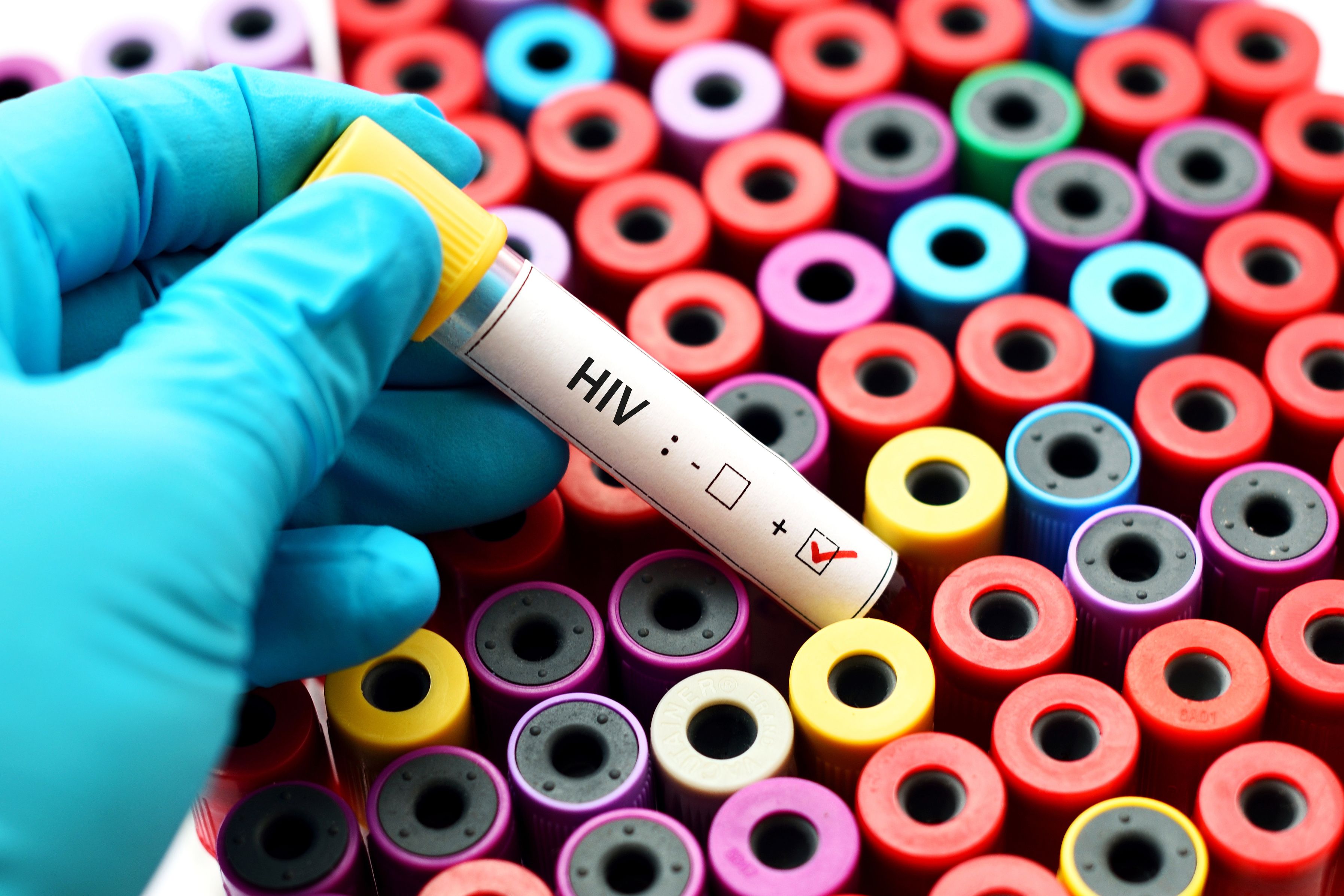
The top 5 HIV content focused primarily on the effects of domestic policy | Image credit: jarun011 - stock.adobe.com
3. Cuts to PEPFAR Spell Detrimental HIV Outcomes in South Africa
A study found that the cuts to PEPFAR would have devastating effects on HIV incidence and treatment in South Africa specifically. Should PEPFAR continue to be fully funded, 1,190,000 individuals would acquire HIV compared with 1,755,000 individuals who would acquire HIV should PEPFAR be fully cut. Deaths related to HIV would increase by 601,000 without PEPFAR funding. The Joint United Nations Programme on HIV/AIDS 95-95-95 goal would improve to 95-85-90 in 2029 with full funding but would worsen to 92-73-88 with no funding. These findings illustrate the heavy effects of cutting funding for PEPFAR across the world, as similar effects may be felt in other countries.
2. Cuts to Vaccine Research Come Amid Challenges to Other Vaccines, Treatment
Cuts to HIV research and prevention were announced by the Trump administration in June, primarily affecting the Duke Human Vaccine Institute and the Scripps Research Institute, Moderna’s clinical trials through the HIV Vaccines Trial Network. The cuts totaled $258 million dedicated to a program that did research into a potential vaccine, and the NIH was advised to not approve any future studies on an HIV vaccine. The Trump administration claimed that they would be focusing their efforts on approaches to eliminating HIV that were currently available and that all critical programs related to HIV/AIDS would be continued under the Administration for a Healthy America.
1. Elimination of HIV Prevention Division Being Considered by Trump Administration
In March, the Trump administration was considering the elimination of the HIV prevention division, a part of the CDC, as part of a larger move to target government spending and HIV care. This move came as another move by the Trump administration to hinder progress made in the HIV epidemic, including rolling back PEPFAR funds and attempting to close the United Agency for International Development. The HIV prevention division is in charge of tracking infections of HIV in the US, promoting testing and prevention, and conducting research around HIV. This also includes encouraging the use of pre-exposure prophylaxis to help prevent the spread of HIV in at-risk groups.


Elevating Equitable Health Care for the LGBTQ+ Community
June 18th 2024For the third episode in our special Pride Month series, we speak with Patrick McGovern, CEO of Callen-Lorde since August of 2023 and an outspoken advocate for HIV; lesbian, gay, bisexual, transgender, queer, plus (LGBTQ+); and community health.
Listen


Community Outreach Is Enabling CeSHHAR to Close HIV Care Gaps in Zimbabwe
April 6th 2021The Centre for Sexual Health and HIV/AIDS Research Zimbabwe conducts evidence-based research related to HIV and AIDS, as well as provides and implements sexual and reproductive health education and interventions among sex workers, children, and adolescents, and in the area of masculinity.
Listen


