

- Center on Health Equity & Access
- Clinical
- Health Care Cost
- Health Care Delivery
- Insurance
- Policy
- Technology
- Value-Based Care
Express Scripts Avoids Fines but Agrees to Major Structural Overhaul
The FTC first sued Express Scripts, CVS Caremark, and Optum in 2024, claiming anticompetitive and unfair rebating practices surrounding insulin.
Under the Biden administration, Cigna’s Express Scripts was first sued by the Federal Trade Commission (FTC) in September 2024 amid accusations of inflated insulin prices, preventing patient access to the live-saving medication, and prioritizing profits over patient affordability.1 The suit followed the pharmacy benefits manager’s (PBM) own lawsuit regarding a July 2024 report in which the FTC accused it, and CVS Health’s Caremark and UnitedHealth’s Optum—along with their affiliated group purchasing organizations (GPOs)—of deceptive rebate practices for not only insulin but other medications.2,3 The 3 PBMs reportedly accounted for 80% of all prescriptions in the US, and the top 6 PBMs accounted for close to 95%.3,4
“Caremark, [Express Scripts], and Optum—as medication gatekeepers—have extracted millions of dollars off the backs of patients who need life-saving medications,” said Rahul Rao, deputy director of the FTC’s Bureau of Competition, at that time in a statement. “The FTC’s administrative action seeks to put an end to the Big Three PBMs’ exploitative conduct and marks an important step in fixing a broken system—a fix that could ripple beyond the insulin market and restore healthy competition to drive down drug prices for consumers.”1
On February 4, the FTC announced it had reached a settlement with Express Scripts focused on 4 pillars5:
- Increasing transparency
- Driving down patient out-of-pocket costs by up to $7 billion over 10 years, including for insulin
- Growing new revenue for community pharmacies
- Advancing the Trump administration’s health care priorities


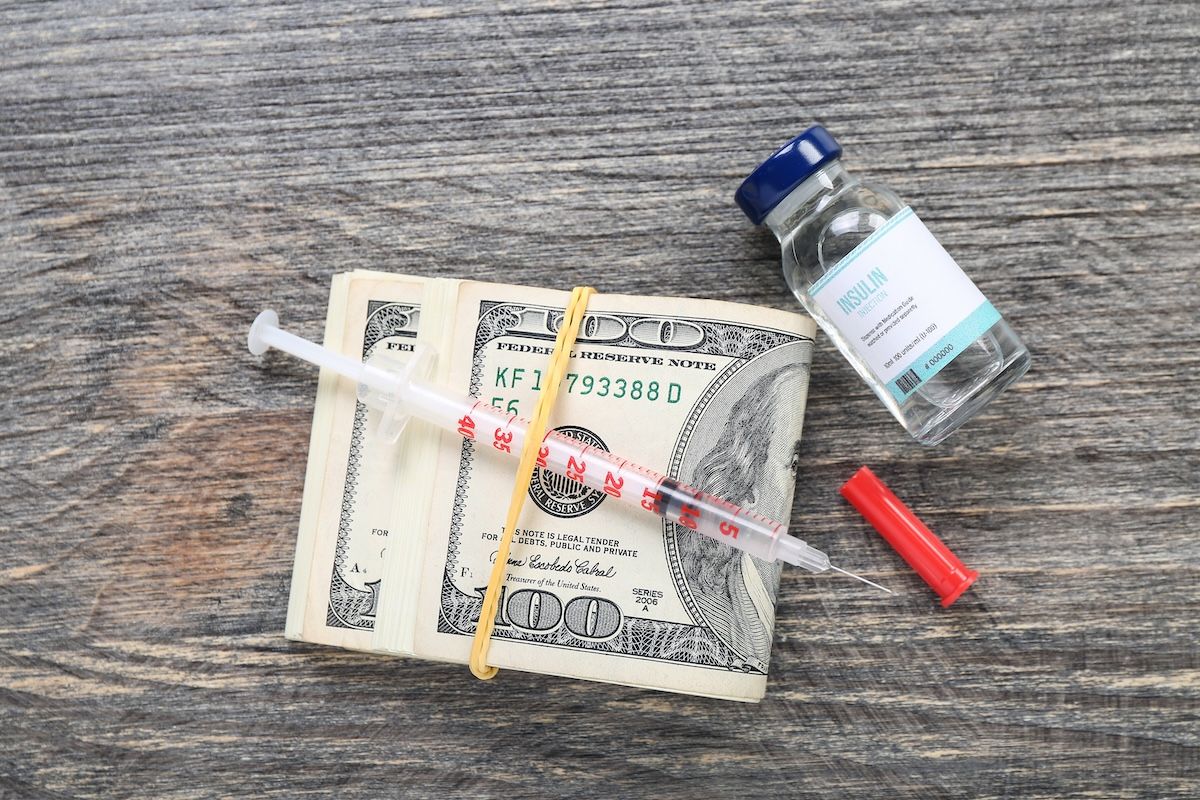
Priot to the FTC lawsuit, the 3 PBMs reportedly accounted for 80% of all prescriptions in the US, and the top 6 PBMs, for close to 95%. | Image Credit: © ixel-Shot-stock.adobe.com
This financial relief to American patients and the community pharmacies that serve them will be complemented by a reshoring of Express Scripts’ GPO Ascent, which could result in a return of more than $750 billion in purchasing activity to the US. When the lawsuit was initially brought, Ascent’s location in Switzerland had been criticized over the lower tax rate for the company’s profits compared with the tax rate at the time in the US, as well as potentially contributing to a business model that clients, employers, and insurers found difficult to monitor.4
Considered a landmark settlement, Express Scripts will be required to implement fundamental changes to its rebate practices, all the while not having to pay a fine or admit to any wrongdoing. These changes target a system that favored the PBM through preferred formulary placement driven by rebates tied to list prices rather than net prices and therefore had an impact on patients’ copays and coinsurance.5
Express Scripts will now need to fulfill a 10-point proposed consent order that includes the following:
- Covered access to TrumpRx as part of its standard offering, pending legal and regulatory changes
- Full access to insulin benefits to all members through its Patient Assurance Program
- Permission for plan sponsors to transition off rebate guarantees and spread pricing
- Promotion of standard offerings to plan sponsors and community pharmacies
- Institution of a pricing model for community pharmacies that is based on actual drug acquisition costs and dispensing fees
According to Express Scripts, its new pharmacy benefits model, first announced in October 2025, could lower brand name prescription drug costs by as much as 30% and make negotiated discounts available up front to Americans. In addition, employers and government programs should be able to save money.6
The FTC’s lawsuit against CVS Health’s Caremark and UnitedHealth’s Optum continues, as do the hundreds of lawsuits brought by states, cities, counties, unions, and other payers against not only these 3 big PBMs but also insulin makers.
There is now a 30-day period in which comments can be given on the proposed agreement between the FTC and Express Scripts; these will be posted on Regulations.gov after processing.
References
- FTC sues prescription drug middlemen for artificially inflating insulin drug prices. News release. FTC. September 20, 2024. Accessed February 5, 2026. https://www.ftc.gov/news-events/news/press-releases/2024/09/ftc-sues-prescription-drug-middlemen-artificially-inflating-insulin-drug-prices
- Jeremias S. FTC takes legal action against 3 largest PBMs over insulin costs. AJMC®. September 20, 2024. Accessed February 5, 2026. https://www.ajmc.com/view/ftc-takes-legal-action-against-3-largest-pbms-over-insulin-costs
- Jeremias S. Express Scripts sues FTC over PBM report. AJMC. September 17, 2024. Accessed February 5, 2026. https://www.ajmc.com/view/express-scripts-sues-ftc-over-pbm-report
- F.T.C. settles with Express Scripts over high insulin prices. The New York Times. February 4, 2026. Accessed February 5, 2026. https://www.nytimes.com/2026/02/04/health/insulin-prices-express-scripts-ftc.html
- FTC secures landmark settlement with Express Scripts to lower drug costs for American patients. News release. FTC. February 4, 2024. Accessed February 5, 2026. https://www.ftc.gov/news-events/news/press-releases/2026/02/ftc-secures-landmark-settlement-express-scripts-lower-drug-costs-american-patients
- Evernorth announces new era of pharmacy benefit services to lower Americans’ medication costs. News release. October 27, 2025. Accessed February 5, 2026. https://www.evernorth.com/article/evernorth-announces-new-era-of-pharmacy-benefit-services-to-lower-americans-medication-costs


