

- Center on Health Equity & Access
- Clinical
- Health Care Cost
- Health Care Delivery
- Insurance
- Policy
- Technology
- Value-Based Care
ASH 2025 Offers Data That Could Make Novel Therapies More Accessible
Will bispecific antibodies move into first-line care? Will clinicians soon combine bispecifics with anti-CD38 therapies in later stage multiple myeloma?
And, is the long awaited “off the shelf” chimeric antigen receptor (CAR) T-cell therapy finally here?
This is just some of the science on tap this weekend as the 67th American Society of Hematology Annual Meeting and Exposition arrives in Orlando, Florida, in what promises to be one of the more exciting gatherings in recent years. More than 30,000 attendees are expected to attend sessions featuring more than 8200 abstracts, according to ASH officials.


Phoebe Joy Ho, MBBS, DPhil | Image Chris OBrien Lifehouse

All eyes will be on Tuesday’s late-breaking session, when Phoebe Joy Ho, MBBS, DPhil, of Royal Prince Alfred Hospital in Camperdown, Australia, will present data on KLN-1010, an investigational therapy from Kelonia Therapeutics. This presentation promises an early look at the first in vivo or “off the shelf” CAR T-cell therapy, meaning patients were treated with a product that did not require an upfront gathering of their T-cells to undergo a manufacturing process.
Eliminating the manufacturing process of CAR T-cell therapy has been a goal since the first customized treatments appeared more than a decade ago; as wondrous as they are, the process needed to create them limits who can receive them—and adds to the cost.
The inMMyCAR study, a phase 1 study evaluating an in vivo anti-BCMS CAR T-cell therapy for patients with relapsed/refractory multiple myeloma (RRMM), announced it had dosed its first patient August 19, 2025. A late-breaking abstract promises data from 3 patients, who company officials said all achieved minimal residual disease (MRD) negativity at month 1 that lasted at least 3 months, without lymphodepleting chemotherapy, apheresis, or ex vivo cell manufacturing.
Fixed Duration Therapy
For managed care, the big news at ASH is the number of abstracts and attention being paid to fixed duration therapy across multiple disease states, from chronic lymphocytic leukemia (CLL) to mantle cell lymphoma (MCL) and also in acute conditions.
The recognition that both the accumulated adverse effects and cost of taking therapy indefinitely will be seen in both high-profile plenary presentations and in real world evidence.
Results from the CLL17 trial, to be presented at Sunday’s plenary session, compare ibrutinib (Imbruvica), a BTK inhibitor, which is typically taken to progression, with 2 fixed duration combinations, typically given for 12 months. The trial compares ibrutinib with a combination of venetoclax (Venclexta), a BCL2 inhibitor, and obinutuzumab (Gazyva), a targeted monoclonal antibody, and venetoclax plus ibrutinib vs ibrutinib.


Jennifer R. Brown, MD, PhD | Image: Dana Farber
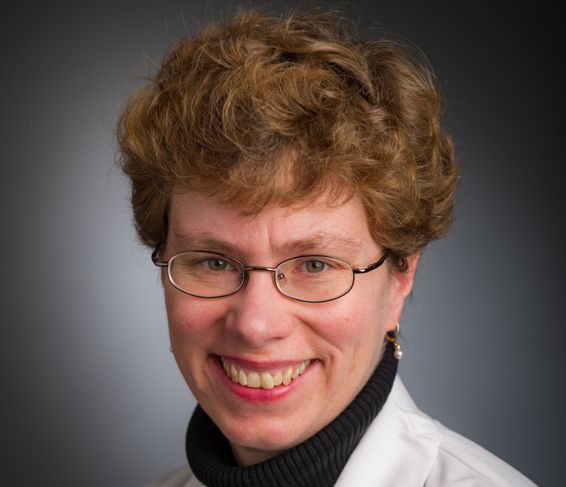
During a press briefing ahead of the conference, Jennifer R. Brown, MD, PhD, of Dana-Farber Cancer Institute, said she would also check the results of the FLAIR study, an ongoing phase 3 trial that is guided by MRD testing; it assesses the impact of genetic mutations on progression-free survival in patients with CLL treated with ibrutinib, ibrutinib plus venetoclax, or fludarabine, cyclophosphamide, and rituximab.
“This MRD-guided approach did lead to a longer duration of therapy, over 2 years compared to the time-limited therapies that were studied in CLL 17, but it also led to improved progression-free and overall survival compared to continuous ibrutinib. So that's the first evidence that we have that a time limited therapy actually improves outcomes, rather than is not inferior to them, compared to continuous therapy.”
This year’s meeting, she said, has abstracts “looking into more nuances around that—around specific gene mutations, around what duration of therapy may actually be required, [and] how you could simplify the approach to try to make this more applicable.”
Some noteworthy results featuring fixed-duration regimens featured at ASH include:
- Interim results from the phase 2 MorningSun trial involving subcutaneous mosunetuzumab monotherapy in elderly or unfit patients with previously treated diffuse large B-cell lymphoma (DLBCL)
- A separate study evaluates subcutaneous mosunetuzumab with maintenance therapy in high-tumor burden follicular lymphoma
- 3-year results from EPCORE-NHL2 will report on fixed-duration epcoritamab combined with bendamustine and rituximab in first-line treatment of follicular lymphoma
Meeting Unmet Patient Need
Major conferences always highlight data that offer hope to patients with major unmet need, and this year’s ASH has both trials and sessions that do so:
- Results from the phase 2 PARADIGM trial, to be presented at the plenary session, compare use of azacitidine and venetoclax with conventional induction chemotherapy in patients with acute myeloid leukemia before patients proceeded to transplant.
- Multiple abstracts involving sickle cell disease address both new treatments as well as challenges in uptake of gene therapies that were unveiled with great fanfare 2 years ago just before ASH.
- Following his podium presentation at the American Society of Clinical Oncology, Andrew Kuykendall, MD, of Moffitt Cancer Cetner will present 52-week data for rusfertide, a novel therapy to treat polycythemia vera.
- Monday’s session, “Targeted Therapy for AML: Triplets and More,” includes a talk on menin inhibitors, both first-in-class revumenib and upcoming therapies that can address targets such as KMT2A.
Increasing Options a Major Theme of ASH
Giving patients more choices, including those that might reduce the number of treatments in their cocktail, is a major theme of ASH. Only recently, the big in multiple myeloma was quadruplet therapy—combining an anti-CD38 therapy, either daratumumab or isatuximab—with a standard backbone of lenalidomide, bortezomib, and dexamethasone. But this year’s data include pairing anti-CD38 therapies with bispecifics, including the late-breaker LBA-6, featuring results from the MajesTEC-3 phase 3 study. This compares teclistamab and daratumumab with the investigators choice of daratumumab and dexamethasone plus either pomalidomide or bortezomib (DPd/DVd) in patients with RRMM.
Before Tuesday’s late-breaking session will come Saturday’s abstract featuring phase 1b data for linvoseltamab with either daratumumab or isatuximab in patients with RRMM, in an arm of the LINKER-MM2 trial.
Other abstracts will offer data on bispecifics moving into frontline therapy; examples include data coming Saturday from EPCORE-NHL2 involving epcoritamab in diffuse large B-cell lymphoma, and the LINKER-MM4 trial data coming Sunday for linvoseltamab in multiple myeloma.


Brooke Adams, PharmD, BCOP | Image: LinkedIn

Making these therapies available to more patients raises the question of how they would be delivered, something that was on the minds of panelists at a session of the Institute for Value-Based Medicine©, presented by The American Journal of Managed Care© in Orlando on Thursday evening. Faculty on a panel discussing bringing treatment options in multiple myeloma to community practices warned that academic centers need to form stronger partnerships with community practices to ensure they are ready to take on this challenge.
Brooke Adams, PharmD, BCOP, a clinical pharmacist at Orlando Health Care Institute, said being a real partner means supporting community practices through the entire process.
“We always say community physicians are our partners, but that's the emergency room staff, too,” said Adams. Emergency department (ED) staff have to be trained in how to care for patients who arrive at the ED after being treated with bispecifics or CAR T-cell therapy, and Adams said she will soon offer a training in Florida.
After alluding to the many multiple myeloma abstracts to be presented at ASH, Adams closed her panel Thursday night by saying, “Buckle up, it’s about to get more exciting.”


The Importance of Examining and Preventing Atrial Fibrillation
August 29th 2023At this year’s American Society for Preventive Cardiology Congress on CVD Prevention, Emelia J. Benjamin, MD, ScM, delivered the Honorary Fellow Award Lecture, “The Imperative to Focus on the Prevention of Atrial Fibrillation,” as the recipient of this year’s Honorary Fellow of the American Society for Preventive Cardiology award.
Listen


