

- Center on Health Equity & Access
- Clinical
- Health Care Cost
- Health Care Delivery
- Insurance
- Policy
- Technology
- Value-Based Care
AAP Breaks With CDC, Maintains Broader 2026 Childhood and Adolescent Vaccine Schedule
AAP’s 2026 immunization schedule continues protection against 18 diseases as the CDC reduces its recommendations to 11.
The American Academy of Pediatrics (AAP) released its 2026 child and adolescent immunization schedule, which continues to recommend protection against 18 diseases vs the 11 on the CDC’s vaccine schedule, which it no longer endorses.1,2
Twelve other national health organizations and 28 states have endorsed the AAP’s vaccination schedule and will no longer recommend that of the CDC. The shift in endorsement breaks a decades-long collaboration between the AAP and CDC, meant to establish a single set of vaccine guidelines. The AAP, other health organizations, and states decided to disregard the CDC’s vaccine recommendation after it reduced the number of recommended vaccines from 18 to 11.1,2 The CDC’s reduction in vaccine recommendations was incentivized by President Donald J. Trump’s push to align the schedule with that of other developed countries like Denmark, Germany, and Japan. 4


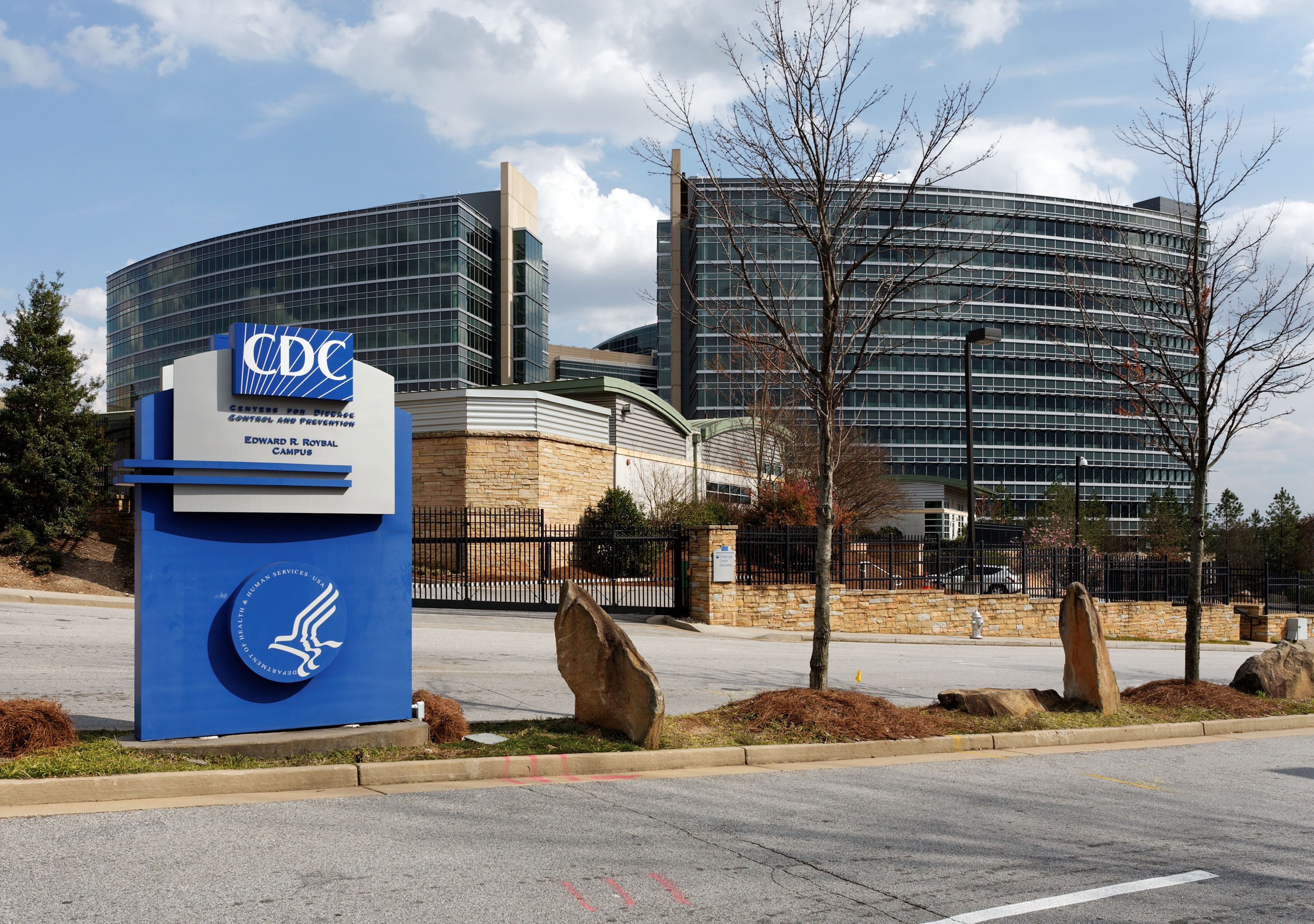
The AAP’s 2026 immunization schedule preserves broader vaccine protections as the CDC narrows its federal recommendations. | Image credit: @Katherine Welles - stock.adobe.com .jpeg
The AAP will continue to recommend child and adolescent vaccines for diseases such as respiratory syncytial virus, rotavirus, influenza, hepatitis A and B, COVID-19, and meningococcal disease. Under the CDC’s guidelines, these diseases’ vaccine recommendations have been downgraded to be suggested only for high-risk groups or after a health care provider consult.1,2 No new data were presented by federal officials to support the CDC decision to revise the previous recommendations, but it was based on modeling the schedule largely after Denmark’s, despite its significantly different health system and population.2
“Comparing the U.S. childhood immunization schedule to that of Denmark or other countries ignores fundamental differences in population size, diversity, healthcare access, and infectious disease risk,” Robert Hopkins, MD, medical director of the National Foundation for Infectious Diseases, said in a statement. “These differences matter. U.S. immunization policies must be guided by a transparent, evidence-based process and grounded in U.S. epidemiology and real-world risk.”2
The AAP’s recommendations were made based on vaccine safety data, the epidemiology of the US population, and the efficacy of each vaccine.1 For example, the AAP recommends 2 doses of the human papillomavirus vaccine starting at ages 9 to 12 years. The CDC’s guidelines recommend 1 dose at ages 11 to 12 years.
“Following our schedule on time remains the best way to ensure children receive the strongest possible protection,” AAP’s Committee on Infectious Diseases Chair Sean T. O’Leary, MD, MPH, said in a press conference.1
The AAP continues to contest the CDC’s recommendations after filing a lawsuit in July 2025 challenging what it calls HHS Secretary Robert F. Kennedy Jr’s “unilateral changes to COVID-19 vaccine policy without scientific evidence.” On January 19, 2026, the AAP filed an amended complaint seeking to stop the implementation of the CDC’s updated vaccine recommendations.
Kennedy dismissed and replaced all members of the Advisory Committee on Immunization Practices (ACIP), claiming “persistent conflicts of interest,” in June 2025.3 The newly reconstituted ACIP then voted to amend the vaccine schedule.
“The confusion and chaos caused by these changes may make parents doubt the benefits of vaccines and delay or skip these vaccines for their children, with devastating and foreseeable impacts,” the AAP said in its press release.1
The AAP encourages parents and pediatricians to follow its vaccine recommendations in the midst of confusion surrounding the CDC’s changes to the schedule.
“Our role as pediatricians is to cut through all that noise and understand what the science actually shows so that parents can make informed decisions with confidence alongside their pediatrician,” O’Leary said
References
1. AAP’s 2026 immunization schedule keeps routine recommendations intact after overhaul of federal schedule. American Academy of Pediatrics. January 26, 2026. Accessed January 27, 2026. https://publications.aap.org/aapnews/news/34141/2026-immunization-schedule
2. Grossi G. CDC reduces US childhood immunization schedule from 17 to 11 diseases. AJMC®. January 5, 2026. Accessed January 27, 2026. https://www.ajmc.com/view/cdc-reduces-us-childhood-immunization-schedule-from-17-to-11-diseases
3. Steinzor P. CDC vaccine panel meets for first time after RFK Jr expelled former members. AJMC. June 25, 2025. Accessed January 27, 2026. https://www.ajmc.com/view/cdc-vaccine-panel-meets-for-first-time-after-rfk-jr-expelled-former-members


